
"high-altitude Arabica"
1000 article(s) found

The growth environment of high-quality coffee beans requires the difference between high-altitude robusta and Arabica coffee beans.
Professional coffee knowledge exchange more coffee bean information please follow the coffee workshop (Wechat official account cafe_style) front street-brief introduction to coffee growing conditions in botany, coffee is a member of the Rubiaceae, mainly Arabica and Robusta species, fine coffee to Arabica tin card, bourbon,

Guatemalan coffee beans with sun-exposed high-altitude volcanic soil
Lima coffee beans are mostly cultivated in the high-altitude volcanic area soil, which belongs to the most advanced Arabica variety. Due to the long ripening period, the beans are medium and dense (Guatemalan coffee beans are graded not on the basis of particle size, but on the basis of shortcomings), and the bean color is dark turquoise. It is characterized by the balance of fragrance, mellow and sweetness. Farahan Plateau

The relationship between altitude and coffee flavor, why the coffee flavor in high-altitude coffee producing areas
The tropical region between the Tropic of Cancer and Tropic of Cancer produces the world's truly high-quality Arabica coffee in Central and South America, South Asia and some Pacific islands, central and southern Africa is also the most important coffee growing area in the world. 3000-6000 feet (2000 meters) high altitude provides ideal conditions for coffee growth: an average frost-free climate of 60-70 degrees Fahrenheit (15-21) throughout the year.

What are the advantages of high-altitude coffee beans? what are the differences in the flavor of different varieties of coffee beans at different elevations?
Introduction of high-altitude coffee varieties generally speaking, with the increase of altitude, the aroma of coffee will become more prominent and unique (see figure). From the temperature and sweetness of Brazilian beans at 3500 feet to the soaring taste of Ethiopian coffee beans above 6000 feet, altitude will give coffee beans a more complex and subtle taste. Coffee beans grown at high elevations are hard.
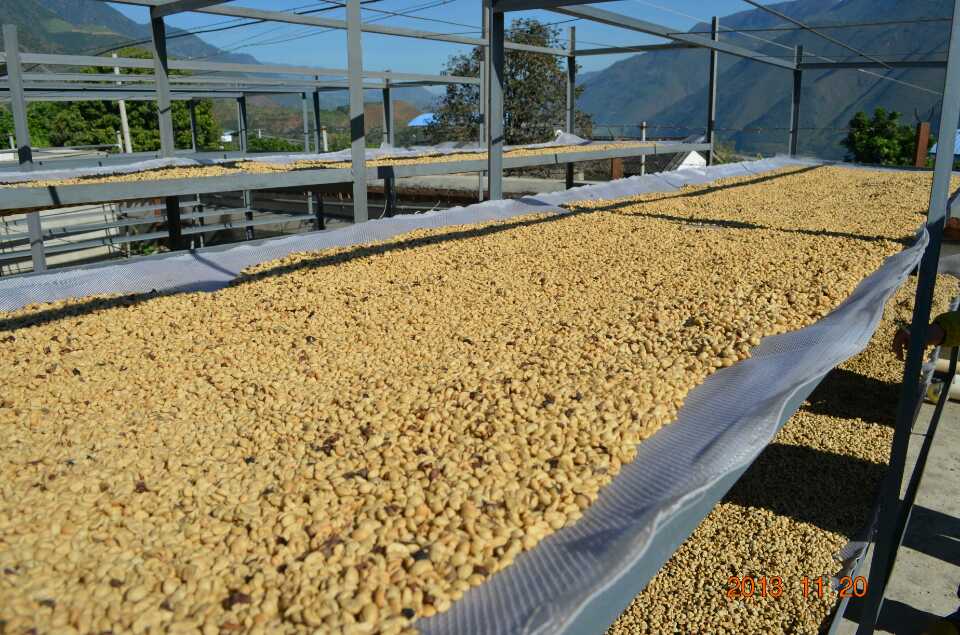
There are seven main coffee producing areas Arabica species in Guatemala.
There are few places in the world that offer a variety of high-quality coffee beans, such as those produced in Guatemala. The excellent quality of Guatemalan coffee beans is due to the unique conditions of their producing areas, including different climate change in each region, rich soil formed by volcanoes, abundant natural water resources, high-altitude mountains and shady and moist forests. There are seven main coffees in Guatemala.

Carmen Manor Coffee is a high-altitude coffee manor dominated by the family.
Carmen Manor [Origin]: Panama [Manor]: Carmen Manor [Grade]: SHB, EP [altitude]: 1750 m [soil]: black soil [particles]: 17 mesh [varieties]: Kaduai Catuai 70%, Kaddura Caurra20%, Iron truck Typica, Dwarf San Ramon San Ramon, New World Mundo Novo 10% [Bean treatment]: semi-washed Carmen Manor

Introduction to the unique sour Antigua coffee in Guatemala
Guatemalan coffee beans are mostly cultivated in high-altitude volcanic soils belonging to the most advanced Arabica varieties. Due to the long ripening period, the beans are medium and dense (Guatemalan coffee beans are graded not on the basis of particle size, but on the basis of shortcomings), and the bean color is dark turquoise. It is characterized by the unique sour taste of fragrance, mellow, sweetness and freshness.

Basic knowledge of high-quality coffee beans in coffee producing countries
Salvadoran Coffee Type: Arabica Coffee output: 1.300.000 bags of Salvadoran coffee has a milder, less sour classic Sino-American flavor profile. The best high-altitude Salvadoran coffee is obtained from bourbon and Parkmora coffee trees. This kind of coffee is fragrant, complex, lively and delightfully mild. Strict high altitude growth: Salvadoran coffee

The Origin of Guatemalan Coffee Culture
Guatemalan coffee beans are mostly cultivated in high-altitude volcanic soils belonging to the most advanced Arabica (Arabica) variety. Due to the long ripening period, the beans are medium and dense (Guatemalan coffee beans are graded not on the basis of particle size, but on the basis of shortcomings), and the bean color is dark turquoise. Sweet, mellow, sweet and fresh and joyful alone
Guatemala Coffee Fine Coffee the latest details the latest flavor introduction
Guatemalan coffee beans are mostly cultivated in high-altitude volcanic soils belonging to the most advanced Arabica (Arabica) variety. Due to the long ripening period, the beans are medium and dense (Guatemalan coffee beans are graded not on the basis of particle size, but on the basis of shortcomings), and the bean color is dark turquoise. Sweet, mellow, sweet and fresh and joyful alone

The Origin and Cultural History of Guatemalan Coffee
Guatemalan coffee beans are mostly cultivated in high-altitude volcanic soils belonging to the most advanced Arabica (Arabica) variety. Due to the long ripening period, the beans are medium and dense (Guatemalan coffee beans are graded not on the basis of particle size, but on the basis of shortcomings), and the bean color is dark turquoise. Sweet, mellow, sweet and fresh and joyful alone

Description of the characteristics and Flavor of High-altitude Coffee beans
Description of the characteristics and flavor of high-altitude coffee beans the production areas of high-altitude coffee beans are hard, dense and have the potential to give full play to their special flavor. The really amazing coffee growing areas are between 4000 and 6000 feet above sea level, and these beans are picked carefully only during the mature season. The rating of Central American coffee is based on the altitude at which the coffee grows.

Introduction to the grinding scale of varieties of Antigua coffee beans in Guatemala
Guatemalan coffee beans are mostly cultivated in high-altitude volcanic soils belonging to the most advanced Arabica (Arabica) variety. Due to the long ripening period, the beans are medium and dense (Guatemalan coffee beans are graded not on the basis of particle size, but on the basis of shortcomings), and the bean color is dark turquoise. Sweet, mellow, sweet and fresh and joyful alone

A brief introduction to the description of the flavor, taste and aroma characteristics of high-altitude special hard beans in St. Roman Manor.
All the coffee trees planted in Costa Rica are Arabica coffee trees. through improvement, the quality of coffee beans is better and more stable. in order to facilitate picking, coffee trees are kept at a height of about 2 meters through continuous pruning. The coffee that people eat is the taste of the seeds in the fruit that are brewed in water. After picking raw coffee beans, the peel, pulp, seed film and sun exposure must be removed.

Timor (Tim)
Timor: a hybrid of Arabica and Robusta found in East Timor, but closer to Arabica because its chromosomes are 44 in Arabica rather than 22 in Robusta. Tim's sour taste is low, lack of characteristics, Taiwan is often used to make low-cost formula beans, but East Timor also has washed high-altitude purebred Tibica, which has entered the boutique market in the United States

A brief introduction to the History and Culture of the Origin and Development of Coffee in Ladisa Manor
Guatemalan coffee beans are mostly cultivated in high-altitude volcanic soils belonging to the most advanced Arabica varieties. Due to the long ripening period, the beans are medium and dense (Guatemalan coffee beans are graded not on the basis of particle size, but on the basis of shortcomings), and the bean color is dark turquoise. It is characterized by the unique sour taste of fragrance, mellow, sweetness and freshness.

What are the advantages of high-altitude coffee beans? what's the difference in flavor?
What are the benefits of high-altitude coffee beans? what are the differences in flavor? 3000-6000 feet about 1000 meters to 2000 meters high altitude provides ideal conditions for coffee growth: an average annual frost-free climate of 60-70 degrees Fahrenheit, about 80 inches of moderate rainfall, and abundant sunshine. Coffee beans grow slowly in cold mountain areas, but the slow ripening process makes the sugar content of coffee beans.

Which tastes better, white coffee or black coffee? Is there any brand of white coffee that tastes good?
Professional coffee knowledge exchange more coffee bean information Please pay attention to the coffee workshop (Wechat official account cafe_style) instant coffee business has dropped slightly, but white coffee has not fallen but increased, and the increase is astonishing. In just a few years, 50% of the whole instant market, that is, one out of every two instant customers, likes to drink white coffee, but Nescafe happens to be in white coffee.

Introduction of medium and dense Guatemalan coffee beans
Lima coffee beans are mostly cultivated in high-altitude volcanic soils belonging to the most advanced Arabica (Arabica) variety. Due to the long ripening period, the beans are medium and dense (Guatemalan coffee beans are graded not on the basis of particle size, but on the basis of shortcomings), and the bean color is dark turquoise. Unique in fragrance, mellow, sweetness and freshness and delight

What are the characteristics of Guatemalan coffee
Guatemala coffee beans are mostly cultivated in high-altitude volcanic soils belonging to the most advanced Arabica (Arabica) variety. Due to the long ripening period, the beans are of medium and dense type (Guatemalan coffee beans are graded not on the basis of particle size, but on the basis of shortcomings), beans